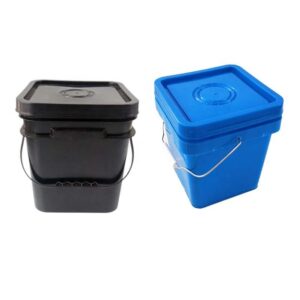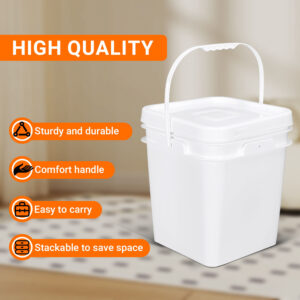


Plastic buckets can be food-safe, but it’s important to ensure that the specific bucket you’re using is labeled as such. Not all plastic buckets are designed to be safe for food storage, and some may leach harmful chemicals over time, especially when exposed to heat or acidic foods. Here’s what you need to know:
1. Look for Food-Grade Plastic
Food-safe buckets are typically made from food-grade plastics, which are designed to be safe for contact with food. The most common types of food-safe plastics are:
- HDPE (High-Density Polyethylene): Often used for food storage containers, it’s durable, resistant to chemicals, and relatively safe for food.
- PP (Polypropylene): This plastic is also food-safe and is commonly used for food containers, including buckets.
- LDPE (Low-Density Polyethylene): While not as commonly used for buckets, LDPE is also considered food-safe and used in other food storage products like bags.
These plastics are typically marked with a recycling number on the bottom of the bucket (e.g., #1, #2, #5), and if you see these numbers with a “food-safe” label, the bucket should be okay for storing food.
2. Avoid Plastics with Harmful Additives
Some plastic buckets may be made from low-quality plastic or contain additives that could be harmful to food. Here are things to be cautious about:
- BPA (Bisphenol A): BPA is a chemical that has been linked to potential health risks, particularly hormone disruption. Some plastic products contain BPA, but food-safe plastics (like HDPE and PP) are typically BPA-free. However, some older plastic buckets might still contain it.
- Phthalates: These chemicals are sometimes used in plastics for flexibility but can be harmful to health. Like BPA, they are often absent in food-safe plastics but might be present in lower-quality plastics.
3. Look for Labels and Certifications
When choosing a plastic bucket for food storage, look for clear labeling or certifications that indicate food safety. Some common labels include:
- “Food Safe”: This is a straightforward label that tells you the bucket is suitable for food storage.
- FDA-approved: If the bucket is FDA-approved for food storage, it’s been tested and deemed safe for direct contact with food.
- USDA-certified: This certification typically applies to food containers used in commercial settings.
If you’re unsure, it’s always a good idea to contact the manufacturer or supplier for clarification.
4. Avoid Using Non-Food-Grade Buckets
Some buckets are made for industrial or non-food-related use (e.g., paint, chemicals, etc.). These are generally not considered safe for storing food. Even if the bucket appears clean, residual chemicals or odors may leach into food stored inside.
5. Don’t Use for Hot Foods or Liquids
Even food-grade plastic can degrade when exposed to high temperatures:
- Hot Liquids: Avoid using plastic buckets for hot liquids, as the heat can cause the plastic to warp or leach chemicals into the food. It’s better to use heat-resistant containers for hot food or liquids.
- Sun Exposure: Prolonged exposure to sunlight can degrade plastic over time, so avoid leaving food inside plastic buckets in hot environments for too long.
6. How to Safely Clean Plastic Buckets for Food Use
To ensure that your plastic buckets stay safe for food storage, clean them thoroughly before use:
- Wash with Soap and Water: Use a mild dish soap and warm water to clean the bucket. Avoid harsh chemicals that could leave residue.
- Rinse Thoroughly: Make sure to rinse the bucket well to remove any soap or cleaning agents.
- Avoid Scratching: Scratches in plastic can harbor bacteria or mold, so use non-abrasive sponges to clean the bucket. If the bucket is scratched or cracked, it’s best to replace it.
7. Reusing Buckets
If you plan to repurpose plastic buckets for food storage, make sure that:
- The bucket has never been used for chemicals, cleaning products, or non-food items.
- The bucket is clean and free from any residual smells, stains, or contaminants.
- You thoroughly inspect the bucket for cracks, which could harbor bacteria.
8. Common Uses for Food-Safe Plastic Buckets
Here are some ways to use plastic buckets that are confirmed to be food-safe:
- Storing Bulk Dry Goods: Ideal for storing grains, flour, sugar, rice, or beans.
- Fermentation: Some people use plastic buckets for fermenting food, such as pickles, sauerkraut, or homemade beer, as long as the plastic is food-grade and doesn’t come into contact with high heat.
- Storing Water: Food-safe buckets can be used to store potable water in emergencies or for long-term survival prep.
- Bulk Freezing: If you freeze food in plastic buckets, make sure they are freezer-safe to prevent cracking at low temperatures.
Summary:
- Food-safe plastic buckets are generally made from HDPE or PP and are labeled as such. Look for markings or certifications that confirm their suitability for food storage.
- Avoid buckets with unknown plastic types or those used for chemicals or non-food purposes.
- Don’t use plastic buckets for hot foods or liquids, and make sure they are clean and free from contaminants.
If you’re looking for a specific type of food-safe bucket, let me know, and I can help you find the right one for your needs!